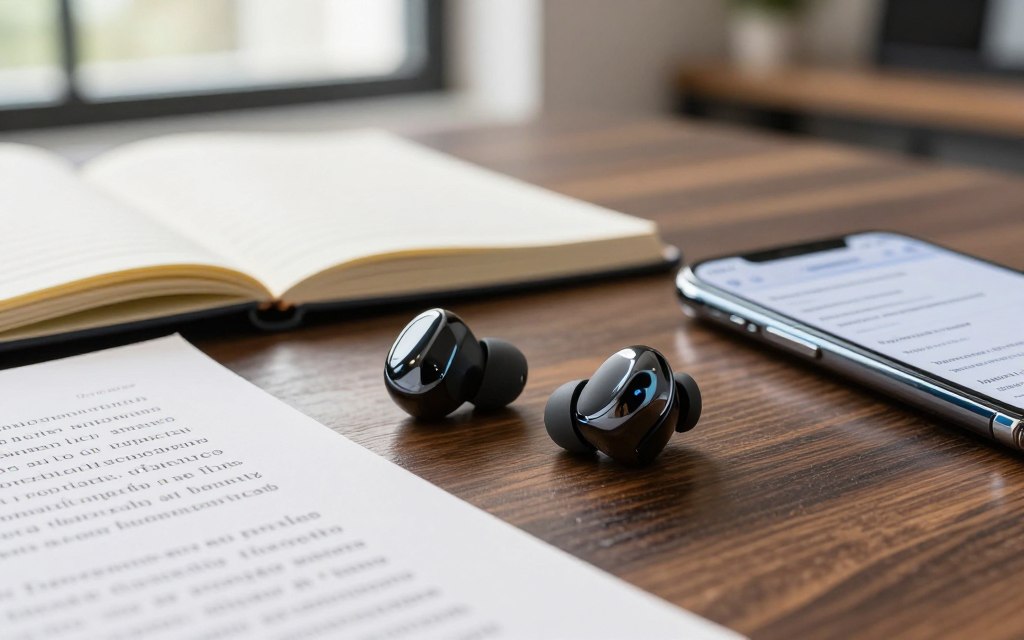

As global communication grows more important, many people use new devices for help. AI translation earbuds have become popular tools for cross-language conversations. But do AI translation earbuds work? They can support basic and moderately complex discussions, depending on language support, internet access, and microphone quality.
Some models are built for two-way interpretation. Others work as standard wireless earbuds paired with a smartphone translation app. These translation earbuds are not flawless, and background noise, speech patterns, and software can affect results.
This article examines translation accuracy, response time, supported languages, and real-world use. For travelers, international professionals, students, and casual users, real-time translation earbuds can be very helpful. Still, users should treat them as support tools, not perfect human interpreters.
Key Takeaways
- Translation earbuds can handle basic to moderate conversations.
- Performance varies based on multiple factors, including language support.
- Some models are tailored for two-way communication.
- Background noise and microphone quality affect accuracy.
- These devices serve as useful communication tools, not replacements for human interpreters.
What Are AI Translation Earbuds and How Do They Function?
AI translation earbuds help people communicate across different languages. These AI language translation devices use advanced technology for real-time translations, making conversations smoother and more efficient.
To understand how translation earbuds work, note the process. Built-in microphones capture spoken language. The audio goes to a phone or cloud service, where artificial intelligence processes it.
The AI changes spoken words into text or meaning, then a translation engine translates them. Finally, the earbuds or phone speaker plays the translated speech.
These devices offer two main conversation modes. With two-way translation earbuds, both speakers wear earbuds for smooth, back-and-forth communication. In speaker mode, one person wears the earbuds, while the phone speaks the translation aloud for groups.
Many products marketed as translation earbuds need a companion app, smartphone processing, and an internet connection. Device design, app quality, language-pair support, and microphone placement can affect the experience. These factors help produce accurate, clear translations.
In summary, AI translation earbuds mark a major advance in wearable translation technology. They help users cross language barriers with ease. As technology evolves, these devices are becoming more essential for travelers, business professionals, and anyone communicating across cultures.
The Technology Behind Real-Time Language Translation
AI translation earbuds use several tools to provide near-real-time results. Their core systems include automatic speech recognition, natural language processing, neural machine translation, and text-to-speech technology. Together, these tools support real-time language translation technology.
Automatic speech recognition (ASR) turns spoken words into text and captures accents and intonations. After transcription, natural language processing (NLP) studies sentence context and structure. This speech recognition AI helps the system understand each speaker’s meaning.
Next, neural machine translation (NMT) creates the phrase in the target language. Unlike word-for-word methods, NMT considers grammar, idioms, and conversational intent. The result sounds more natural and fits the context.
Finally, text-to-speech technology reads the translation aloud. It improves the user experience with immediate audio feedback. Voice translation software may process results in the cloud, on a smartphone, or partly on the earbuds.
Cloud processing supports more languages but needs a reliable internet connection.
Real-time translation usually includes a short delay, not instant results. Complex sentences or noisy environments can increase this latency. AI systems manage these challenges and support effective communication despite possible obstacles.
Do AI Translation Earbuds Work for Accurate Communication?
People often ask: do AI translation earbuds work accurately? They handle short, clear sentences in common languages well. In familiar settings, they can help people have smooth conversations.
However, translation earbud accuracy can drop under certain conditions. Strong accents, slang, humor, and technical jargon can cause misunderstandings. Overlapping speech, fast dialogue, background noise, or weak microphone input can reduce accurate voice translation.
Translation direction also affects results. Many earbuds support multiple languages, but high-demand pairs, such as English and Spanish, often work best. Less-resourced languages may not provide the same accuracy.
In medical, legal, or financial situations, users should confirm important information. Relying only on AI translation earbuds could cause serious miscommunication. These AI translation limitations make several performance signs useful:
- Understandable output
- Manageable delay
- Effective correction tools
- The ability to replay or review translated text
AI translation earbuds can help with everyday conversations, but they cannot replace a qualified interpreter when precision matters. Knowing their limits helps users decide when to trust this technology.
Key Features to Look for in AI Translation Earbuds
Use this translation earbuds buying guide to choose earbuds with useful AI features. The right features can improve communication across languages.
Use this checklist to compare the best features in translation earbuds, including language support, offline translation, and microphone noise cancellation:
| Feature | Description | Importance |
|---|---|---|
| Language Support | Check for the number of languages and dialects supported, including specific language pairs. | Ensures you can communicate in your desired languages. |
| Offline Translation | Look for earbuds that offer offline translation capabilities. | Useful for travel in areas without internet access. |
| Microphone Noise Cancellation | Quality microphones with noise cancellation enhance speech recognition. | Improves clarity in noisy environments. |
| Battery Life | Consider how long the earbuds last on a single charge and with the charging case. | Longer battery life means more usability. |
| Comfort and Fit | Ensure the earbuds are comfortable for extended wear. | Enhances the user experience, especially during long conversations. |
In addition to these features, pay attention to the following details:
- App Compatibility: Check if the earbuds work with popular translation apps.
- Subscription Services: Some earbuds may require a paid service for optimal functionality.
- Privacy Features: Understand how voice recordings are handled—whether processed in the cloud or stored.
- Bluetooth Stability: Ensure reliable connectivity to avoid interruptions.
- Speaker Clarity: Clear audio is essential for understanding translations.
Focus on these features to choose AI translation earbuds that fit your needs.
Top AI Translation Earbuds Reviewed
Among the best AI translation earbuds, five options support clear communication in different ways. These translation earbuds reviews compare translation tools, sound quality, comfort, and battery performance. Each model has features suited to different needs.
- Google Pixel Buds Pro: These earbuds excel in integration with Google services, providing real-time translation through the Google Translate app. They offer excellent audio quality and are comfortable for long use. However, they require a companion device for full functionality.
- WT2 Plus Translator Earbuds: Specifically designed for conversation translation, these earbuds support multiple languages. They are user-friendly and come with a dedicated app, making them ideal for travelers. Their battery life is impressive, lasting up to 8 hours on a single charge.
- Jabra Elite 75t: While primarily known for their audio quality, these earbuds can support translation through compatible apps. They are perfect for users already invested in the Jabra ecosystem, offering comfort and solid battery performance.
- Timekettle M2: These earbuds provide a seamless translation experience, supporting a wide range of languages. They work well in noisy environments, making them suitable for urban travel. Their compact design ensures comfort during extended wear.
- Apple AirPods Pro: Known for their excellent sound quality, AirPods Pro can also facilitate translation through Siri and other apps. They are best for users within the Apple ecosystem, offering a familiar interface and good battery life.
Choose among these top translation devices based on your specific needs. Consider audio quality, battery life, and ease of use before deciding. Each model has strengths that support multilingual communication and earbuds for language translation.
Best Uses for AI Translation Earbuds
From travel to education, the best uses for translation earbuds are broad. Earbuds for international travel can help users check into hotels, order food, and navigate transportation. These travel translation devices help users communicate effectively with local residents.
In casual workplace conversations, these earbuds can improve international networking. Language learning earbuds support practice during classroom exercises, making learning more interactive. Guided tours become more engaging when fewer language barriers let participants enjoy the experience.
AI translation earbuds can also help families communicate across language barriers. They help relatives connect, share stories, and understand one another. These exchanges can build deeper relationships.
To get the best results, users should speak one at a time and use short sentences. Users should confirm important details to support accurate communication. As one expert noted, “These devices are best suited for casual conversations rather than high-stakes discussions.”
Moreover, AI translation earbuds offer accessibility benefits for people who prefer spoken help over reading a phone screen. This feature can help in everyday scenarios.
Still, these earbuds may not suit every situation. Emergencies, legal negotiations, medical consultations, and high-stakes professional interpretation need human expertise and nuanced understanding. Current technology cannot provide that level of support.
In summary, the best uses for translation earbuds are broad and varied. They work well for travel, workplace interactions, and education, making them valuable tools for effective communication.

For more information on top options, read our review of the best translation earbuds. If you are curious about AI assistants, visit this article.
Limitations and Challenges of AI Translation Earbuds
AI translation earbuds are innovative, but they have limits that can affect performance. One major issue is the potential for translation errors. Accents, dialects, slang, idioms, cultural references, and technical terms can cause misunderstandings or inaccurate translations.
Translation latency is another major challenge. Processing delays can disrupt natural dialogue when speakers interrupt or respond quickly. This delay can make conversations awkward and reduce the user experience.
Practical limitations also matter. Battery life can be short, and Bluetooth connections may fail. Many earbuds depend on a smartphone app that can crash or malfunction, causing problems during critical situations.
Users should also consider privacy and voice data. Cloud processing of voice recordings raises questions about data security. Review privacy policies carefully, and avoid sharing sensitive information through these systems.
Offline performance can also be inconsistent. Many earbuds need an internet connection for best results, but one may not be available when needed. This can create translation gaps when users need help most.
AI translation earbuds are valuable tools, but they cannot replace professional interpretation. Keep the limitations of AI translation earbuds in mind for effective communication.
AI Translation Earbuds vs. Smartphone Translation Apps
A wearable translator comparison can show how translation earbuds vs smartphone apps differ. Each option has strengths and weaknesses that can shape your travel experience.
Convenience matters when choosing between these options. AI translation earbuds let you listen and speak hands-free without holding a device. They help on busy streets and during short conversations.
Smartphone apps offer a larger screen. This makes it easier to choose languages, read transcripts, and use camera translation.
Cost can help you choose the best translation app for travel, since some earbuds are pricey. Many phone translation tools are free or cost less. Quality earbuds can improve your experience by translating speech in real time without passing your phone back and forth.
Accuracy matters in communication. Both options seek precise results, but earbuds often excel at real-time audio translation. Apps may add text translation and pronunciation controls for certain situations.
Privacy also matters. Earbuds support more discreet conversations, while smartphone apps may require sharing your screen. This could expose sensitive information.
Battery life can also matter. Earbuds usually have limited battery life, while smartphones can last longer during text-based translation. With a phone, offline phrasebooks can save power and keep essential phrases available.
Smartphone apps make signs, menus, and other written text easy to read. This helps in restaurants and while exploring new cities. Earbuds work well when eye contact matters, such as during conversations.
Your choice depends on your habits, and a hybrid setup can work well: earbuds handle audio while the smartphone processes it. Often, a smartphone alone is enough for reading signs or translating menus. However, earbuds may prove more convenient for seamless communication while walking or navigating.
“The best translation tool is the one that fits your needs and lifestyle.”
Knowing these strengths and weaknesses can help you choose a tool that improves your travel experience.
Tips for Getting the Most Accurate Translations
To improve translation accuracy, always speak clearly and at a moderate pace when using your earbuds. This helps the AI translation system capture your words accurately. Use complete, concise sentences to further improve translation accuracy.
Follow these translation earbuds tips: avoid slang and unnecessary idioms because they can confuse translation software. Let one person finish speaking before the other begins. This reduces overlap and improves clarity.
To prepare earbuds for travel, select the correct source and target languages in your translation app. Download required language packs ahead of time. Also, update your firmware and translation software for optimal performance.
Fully charge your devices before starting your journey. Test the system before an important conversation to find issues early.
Move away from loud music, traffic, wind, and crowded areas when using your earbuds. Position the microphones correctly for clear speech for AI translation.
If misunderstandings occur, repeat or rephrase your statements. Confirm names, numbers, dates, addresses, prices, and instructions in writing to prevent confusion.
For medical, legal, safety-critical, and confidential situations, using professional interpreters is highly recommended. This ensures that all nuances and critical information are accurately conveyed.
Who Should Buy AI Translation Earbuds?
Knowing who should buy translation earbuds helps shoppers choose AI translation earbuds wisely. These devices help frequent travelers communicate in multilingual settings and navigate foreign countries and cultures.
International students can also gain much from translation earbuds. They often speak across languages, which can improve learning and help them join new communities.
Tour guides and hospitality workers may also find these devices useful. Their work requires clear communication with clients from diverse backgrounds, so earbuds can support excellent service. Shoppers comparing the best earbuds for multilingual communication should consider these workers’ needs.
Families who speak multiple languages at home and language learners can benefit too. Earbuds offer a practical way to practice conversation and build comprehension in real time.
Still, these devices are not necessary for everyone. People who rarely face language barriers may not need them. Those expecting perfect simultaneous interpretation, or unwilling to rely on a smartphone or cloud service, should consider other options.
When deciding whether to purchase AI translation earbuds, consider these factors:
- Frequency of use: If you travel often or engage in multilingual conversations regularly, these earbuds may be worth the investment.
- Language pairs: Ensure the earbuds support the languages you need for effective communication.
- Need for offline operation: If you often find yourself in areas with limited internet access, look for models that offer offline translation capabilities.
- Privacy expectations: Be aware of how your data is handled, especially if privacy is a concern.
- Budget: Consider your financial constraints when choosing between dedicated translation earbuds and standard earbuds paired with an app.
- Tolerance for translation delays: If you need instant communication, weigh your options accordingly.
In short, AI translation earbuds suit people who need steady, two-way communication in multilingual settings. Use this translation device buying advice to compare translation earbuds for travelers. Review your needs and circumstances before choosing.
The Future of AI Translation Technology
The future of AI translation earbuds holds many new possibilities. As advances in wearable AI continue, devices should gain more processing power and speed. This progress will reduce delays and make real-time conversations smoother.
Better accent and dialect recognition will produce more accurate translations. Evolving AI will also separate speakers more clearly during conversations. This skill matters when several people speak in busy settings.
Contextual understanding will also improve. Future AI translation earbuds may use multilingual artificial intelligence to understand conversational intent. Devices could remember relevant context during dialogues and offer more natural phrasing.
Augmented reality may show translated captions seamlessly in our field of vision. This could improve communication in settings ranging from business meetings to travel experiences.
Biometric personalization could tailor translations to each user, making interactions more intuitive. Integration with smartphones and smart glasses will likely become standard, enhancing accessibility for all users. Offline AI translation could also make these tools more accessible.
Yet these advances must be balanced with privacy and data security concerns. Hallucinated translations and cultural nuances also require careful attention. Human oversight will remain vital in sensitive situations where accuracy matters.
In conclusion, the future of AI translation earbuds looks promising. Still, careful validation will remain necessary for effective communication across languages.
Conclusion
AI translation earbuds are growing popular because they help bridge language gaps in daily conversations. These devices work well for short exchanges when users speak clearly. The best translation earbuds for communication support needed language pairs and work smoothly in real-world conditions.
Many models show promise, but they often depend on a smartphone, companion app, or internet connection. Dedicated translation earbuds, like the Timekettle WT2 Edge, often outperform mainstream earbuds that use Google or Apple translation software. This difference matters when deciding whether AI translation earbuds are worth it for your needs.
When choosing a model, consider language support, accuracy, offline features, and comfort. Do not trust marketing claims alone. For critical situations, such as medical or legal matters, always choose a qualified human interpreter for clear communication.
The AI translation earbuds conclusion is simple: These devices can improve communication, but they have limits. Choose wisely to find the best translation earbuds for your needs.


 By
By